
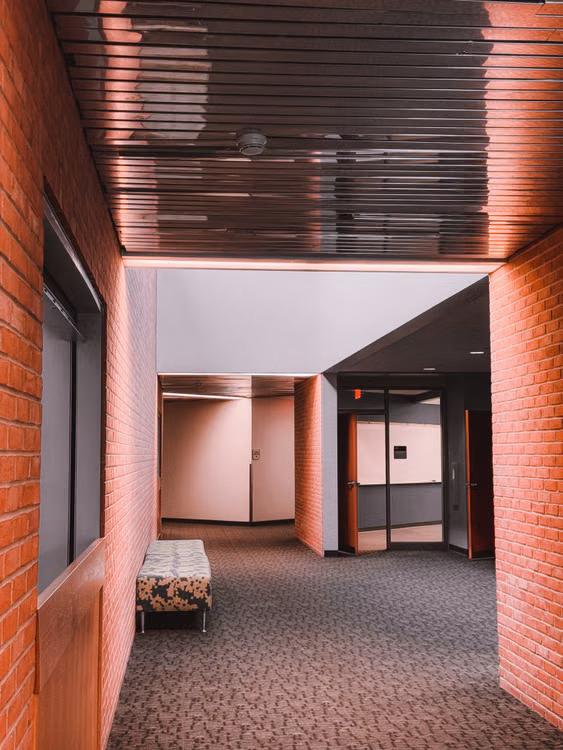
Your office carpet can reveal more about your building than you might expect. Worn paths, dark entryways, stains, and flattened fibers often show where people move most.
For facility managers, these patterns provide useful information. They can help identify busy areas, adjust cleaning schedules, and protect flooring from premature wear. Understanding what your carpet is telling you can also help create a more efficient maintenance plan.
What Worn Carpet Patterns Reveal
Carpet rarely wears evenly across an office. Walkways between entrances, reception areas, conference rooms, elevators, and breakrooms often experience the most traffic.
Over time, these paths become visibly darker or flatter. The pattern can reveal how employees and visitors move through the building each day.
A worn path near the main entrance may indicate heavy visitor traffic. A flattened area near a breakroom may reflect frequent employee use. These details can help facility managers identify areas that need more frequent attention.
Regular carpet cleaning can remove embedded soil before it causes more serious damage. It also helps maintain a consistent appearance across high-use areas.
Entryways Tell an Important Story
Entryways often experience the highest level of soil accumulation. Employees and visitors bring dirt, moisture, salt, and other debris inside from parking lots and sidewalks.
Without proper maintenance, this material can work its way into carpet fibers. Heavy soil can make entryways look darker than surrounding areas. It can also increase wear when abrasive particles remain trapped in the carpet.
Entry mats provide an important first layer of protection. Regular vacuuming and proper mat maintenance can reduce the amount of debris reaching interior flooring.
A facility’s entrance should also receive attention as part of its broader commercial cleaning program. Keeping this area clean helps protect the carpet while creating a stronger first impression.
Stains Can Identify Problem Areas
Stains do more than affect appearance. They can point to areas where spills or activity happen repeatedly.
A cluster of stains near a coffee station may indicate frequent use. Marks near meeting rooms could reflect catered meetings or visitor activity. Repeated spills in the same location may also suggest that the area needs more frequent inspection.
Facility managers can use these patterns to adjust cleaning routines. Instead of treating every part of the building identically, teams can focus more attention where problems actually occur.
This approach works particularly well when developing an office building cleaning schedule based on real building conditions.
High Traffic Requires More Than Vacuuming
Daily vacuuming helps remove loose debris, but it cannot address every type of carpet buildup.
High-traffic areas may eventually require deeper cleaning methods.
Professional teams can use carpet extraction or encapsulation when appropriate. These methods help remove soil that routine vacuuming cannot reach.
However, carpet care should work alongside the rest of the facility’s maintenance program.
Restrooms, common areas, entryways, and hard floors also need consistent attention.
A structured janitorial services program can combine daily cleaning with periodic carpet care and other maintenance tasks.
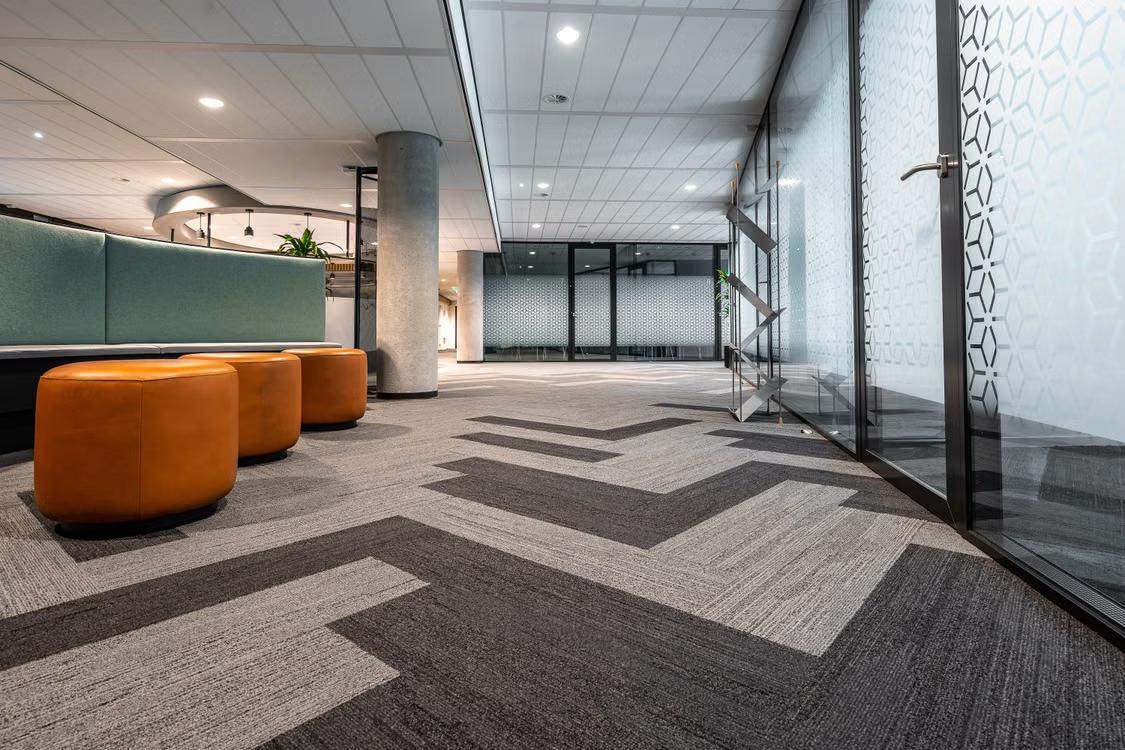
Let Traffic Guide Your Cleaning Schedule
Not every office needs the same cleaning frequency. Building size, operating hours, floor types, and daily traffic all affect maintenance needs.
A financial office with a busy lobby may need greater attention in customer-facing areas. A corporate office with large open workspaces may require stronger vacuuming schedules around desks and corridors.
The same principle applies to hard flooring. High-use entrances and corridors may benefit from more frequent commercial floor cleaning to remove abrasive soil before it damages the surface.
This traffic-based approach helps prevent another common problem: using a generic cleaning schedule that does not match how the building operates.
Build a Maintenance Plan Around Real Conditions
A strong cleaning program begins with understanding the facility. Crystal Clear Enterprise evaluates factors such as square footage, layout, floor types, traffic levels, operational needs, and the building’s current condition.
That information helps create a cleaning scope suited to the property instead of applying the same routine everywhere.
Quality control also matters. Supervisor inspections, checklists, service reports, and ongoing communication help ensure standards remain consistent.
For facility managers, this approach turns building maintenance into an ongoing process rather than a reaction to visible problems.
Your office carpet can tell you where your building needs attention. Use those traffic patterns to build a smarter cleaning plan.
Learn about Crystal Clear Enterprise, explore their cleaning services, or contact the team to discuss your facility’s needs.