
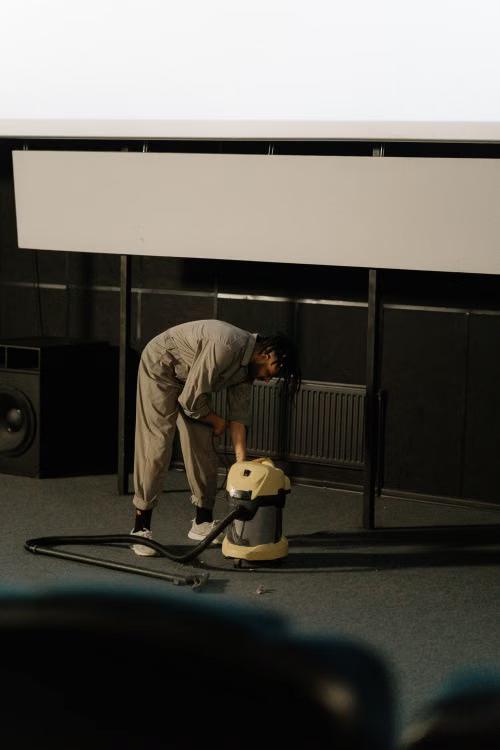
Carpet can take a lot of daily abuse in a commercial building. Employees walk across it, visitors track in soil, and furniture can leave marks in busy areas. Yet not every carpeted space faces the same challenges. A quiet executive office needs a different approach from a crowded school hallway or busy reception area. That is why carpet cleaning that Kansas City businesses rely on should account for traffic, soil levels, room use, and operating schedules.
Start With the Space, Not a Generic Schedule
A good carpet maintenance plan begins with an evaluation. Before selecting a cleaning method, facility teams should consider the building’s layout, carpet type, traffic patterns, and current condition. They should also identify areas that receive heavier use than others.
For example, a lobby may collect dirt throughout the day because visitors constantly enter and leave. Private offices may experience much less foot traffic. Treating both spaces with the same schedule can waste resources in one area while leaving another under-maintained.
Crystal Clear Enterprise evaluates these factors when developing a cleaning program. This approach helps businesses create a plan that fits how their facility actually operates.
Traffic Levels Should Guide Carpet Care
Traffic is one of the clearest indicators of how frequently carpet needs attention. Entryways, corridors, reception areas, and shared spaces usually require more frequent maintenance than low-traffic rooms.
Heavy traffic can push dirt deeper into carpet fibers. It can also create visible wear along common walking paths. Regular commercial carpet cleaning can help remove embedded soil before it affects the carpet’s appearance and condition.
Lower-traffic spaces may not require the same frequency. Instead, periodic maintenance can address accumulated soil while allowing businesses to use their cleaning resources where they matter most.
Match the Method to the Carpet and Soil
Different conditions can call for different cleaning methods. Encapsulation can support routine maintenance by helping remove soil with limited moisture. Extraction can provide a deeper cleaning when carpets have accumulated heavier soil.
The right method also depends on the carpet’s condition and the operational requirements of the building. A facility manager may need to consider drying time, room availability, traffic, and the type of soil being removed.
For an office that must remain operational throughout the day, office carpet cleaning may need to be scheduled around working hours. A facility with heavily soiled entryways may require more intensive periodic treatment.
Room Use Matters Too
A carpeted conference room does not experience the same conditions as a main hallway. A private office differs from a customer-facing lobby. Each space has its own cleaning requirements.
Facility managers should consider:
- How many people use the area each day
- Whether visitors regularly enter the space
- Where dirt enters the building
- How quickly the area must be ready after cleaning
- Whether furniture limits access to certain carpeted areas This information can help create a practical maintenance schedule instead of relying on a fixed routine.
Carpet Care Should Work With the Rest of the Building
Carpet does not exist in isolation. Soil enters through doors and moves across different flooring surfaces. Entry mats, hard floors, and carpeted areas all influence the overall cleanliness of a facility.
That is why janitorial services can play an important role in maintaining a consistent cleaning program. Daily vacuuming, touchpoint cleaning, spot treatment, and entryway maintenance can support periodic carpet care.
Hard surfaces also need their own maintenance schedule. Appropriate commercial floor cleaning can help control soil before it spreads into carpeted areas.
Quality Control Keeps the Plan on Track
Even a well-designed schedule can become ineffective if nobody checks the results. Routine inspections help identify areas that need more attention and reveal when a cleaning frequency should change.
Crystal Clear Enterprise uses supervisor inspections, quality control checklists, service reports, and ongoing communication to monitor cleaning standards. These measures help keep cleaning services consistent across the facility.
A strong program can also adapt when building conditions change. Seasonal traffic, events, staffing changes, or a shift in building use may all affect cleaning requirements.
Build a Program Around Your Facility
The goal is not simply to clean carpet more often. The goal is to select the right method and frequency for each space. A thoughtful program can protect flooring investments, support a professional appearance, and keep cleaning resources focused where they are needed.
Crystal Clear Enterprise combines customized cleaning programs with professional janitorial services and quality control systems designed around each facility’s requirements.
Ready to build a cleaning program around your facility? Learn more about Crystal Clear Enterprise, explore its services, or contact the team to discuss your building’s needs.