
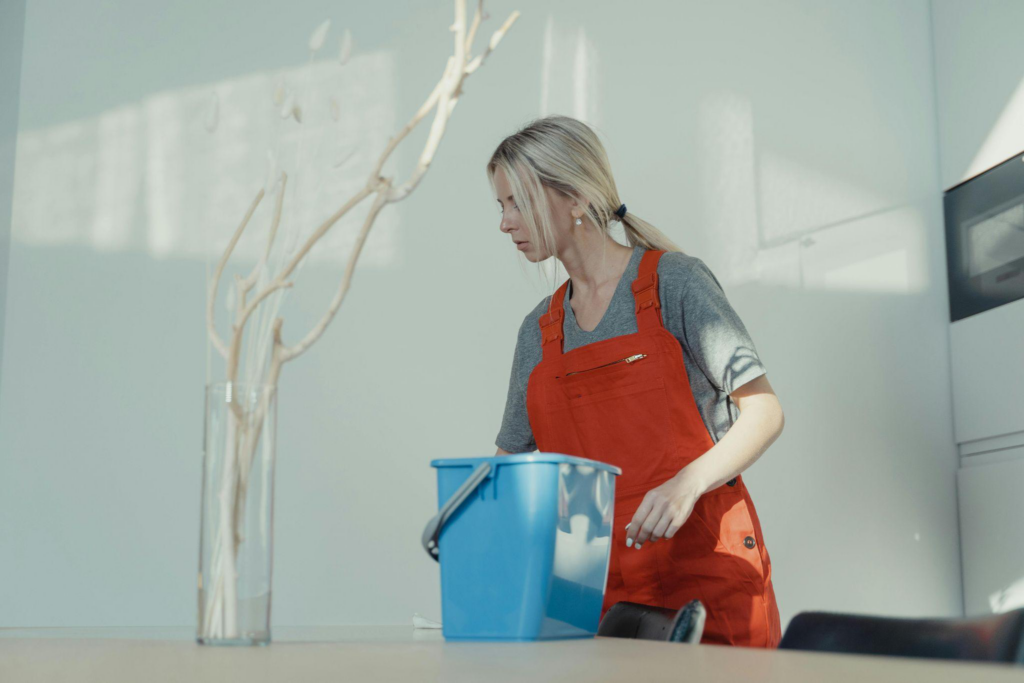
As businesses continue to grow, so do their responsibilities, especially when it comes to sustainability. In 2025, sustainability will play a more critical role in shaping corporate practices. One area that is often overlooked but has a significant environmental impact is cleaning. By setting sustainable cleaning goals, businesses can not only reduce their ecological footprint but also improve their bottom line.
This guide will walk you through practical, actionable steps that any business can take to integrate sustainability into their cleaning routines. From adopting eco-friendly products to reducing waste and improving energy efficiency, every effort counts.
Let’s explore how you can get started today.
1. Switch to Eco-Friendly Cleaning Products
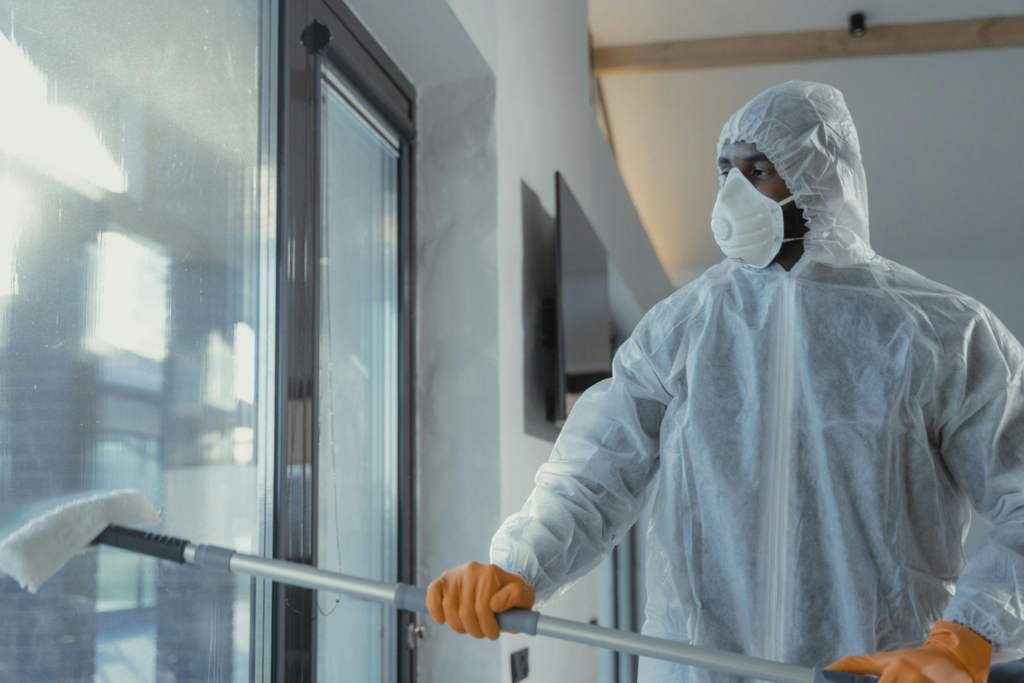
One of the most effective ways to make your cleaning routine more sustainable is by switching to eco-friendly products. Traditional cleaning supplies often contain harmful chemicals that contribute to pollution and pose risks to both employees and the environment. Eco-friendly products, on the other hand, use natural ingredients that are safe for both humans and the planet.
How to Switch:
- Research and Select Green Products:Look for products that are certified by trusted organizations like Green Seal, EcoLogo, or the EPA‘s Safer Choice label. These certifications ensure that the products meet specific environmental standards. This includes the use of renewable ingredients, reduced toxicity, and safer disposal methods.
- Use Concentrates:Many eco-friendly cleaning products come in concentrated forms. This helps reduce packaging waste and carbon emissions associated with transportation. Concentrates are also more cost-effective. You only need to mix them with water when needed, resulting in fewer product deliveries and less overall waste.
- Test Products in Small Areas:Before committing to a full transition, test the eco-friendly products in a small area to ensure they meet your cleaning standards. This will help you assess their effectiveness without wasting large quantities or disrupting your cleaning schedule.
- Opt for Refill Stations or Bulk Purchases:Some companies offer refill stations or bulk purchase options for eco-friendly cleaning supplies. These options reduce single-use plastic waste. It can also be more cost-effective for businesses that need to purchase in large quantities. Refilling cleaning bottles instead of purchasing new ones every time is a simple yet impactful step towards sustainability.
- Choose Non-Toxic and Biodegradable Ingredients:Many eco-friendly products are formulated with non-toxic and biodegradable ingredients. These break down naturally without leaving harmful residues. These products are safer for employees to use and reduce the risk of indoor air pollution, which is a common concern with traditional cleaning chemicals.
- Select Products with Minimal Packaging:When possible, choose products that use minimal or recyclable packaging. For instance, cleaning products packaged in glass, metal, or recycled plastic are more eco-friendly than those in virgin plastic bottles. This not only reduces plastic waste but also encourages recycling within your business.
2. Reduce Single-Use Plastics
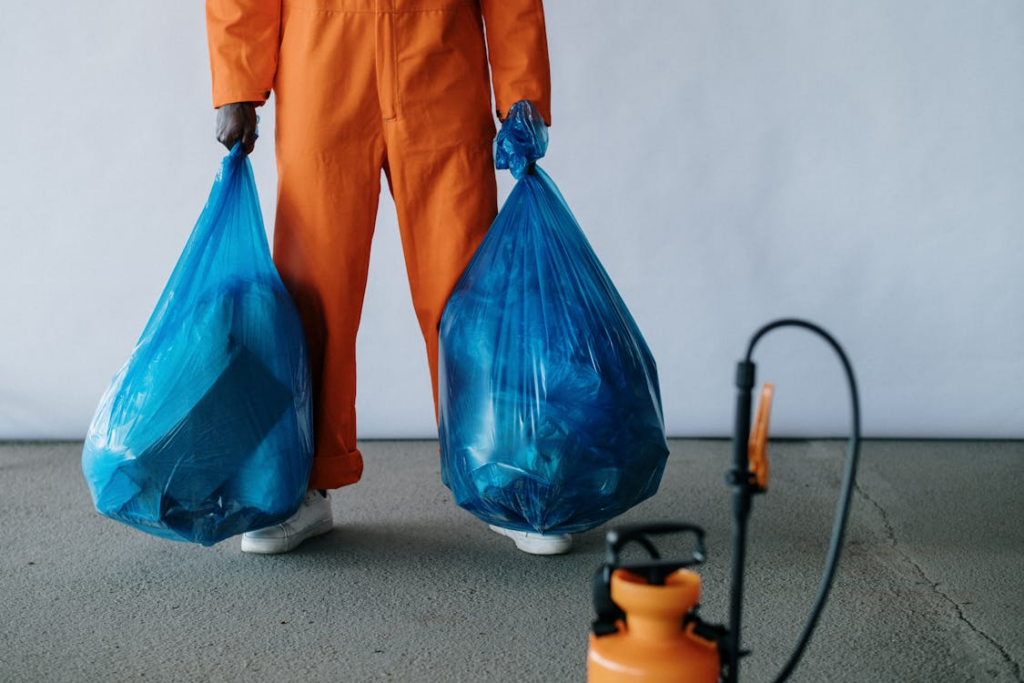
Another major contributor to environmental waste in cleaning is single-use plastics. From plastic bottles to disposable wipes, these products contribute significantly to landfill waste. Aiming to reduce or eliminate single-use plastics from your cleaning routine is an impactful way to move toward sustainability.
How to Reduce Plastic Use:
- Switch to Reusable Cloths and Mops:Instead of using disposable cleaning wipes, invest in washable microfiber cloths and reusable mops. They are not only more sustainable but also more effective at picking up dust and dirt. Microfiber cloths are highly absorbent and can be used for multiple cleaning tasks. They don’t need to be replaced frequently, significantly reducing waste.
- Use Bulk Cleaning Solutions:Instead of purchasing plastic bottles of cleaning solutions, opt for bulk purchases that come in larger, refillable containers. This reduces the need for single-use plastic bottles and cuts down on overall packaging waste. Bulk cleaning supplies are often more cost-effective as well, saving money in the long run.
- Encourage a No-Plastic Policy: Educate your cleaning team about the importance of reducing plastic use and encourage them to find alternatives whenever possible. Establishing a no-plastic policy in your cleaning procedures can help make sustainable practices the norm. This ensures long-term commitment across the team.
- Switch to Paper Products with Recycled Content:If you still rely on disposable paper towels or napkins, opt for products made from 100% recycled paper. These alternatives help reduce the demand for virgin paper products. They are also more environmentally friendly compared to traditional disposable options.
- Use Compostable or Biodegradable Wipes:If disposable wipes are necessary for certain tasks, choose compostable or biodegradable wipes instead of conventional plastic-based wipes. These wipes decompose more easily in landfills and do not contribute to long-term plastic pollution.
- Adopt Refillable Bottles for Cleaning Products:Encourage the use of refillable spray bottles for cleaning solutions rather than single-use plastic bottles. Many eco-friendly cleaning brands offer refill stations or refill packs that allow you to reuse the same container. This simple change can significantly reduce the amount of plastic waste generated in your cleaning routine.
3. Implement Green Cleaning Techniques
Green cleaning techniques focus on minimizing environmental impact while maintaining cleanliness standards. These methods can help reduce the amount of water, energy, and cleaning products used, all of which contribute to a sustainable cleaning routine.
Green Cleaning Tips:
- Use the Right Amount of Product:Overusing cleaning products can be wasteful and counterproductive. Following the manufacturer’s instructions for dilution and usage ensures the correct amount of product is used. This helps avoid excessive consumption and unnecessary waste. By using only what is needed, businesses can lower their costs while reducing the environmental impact of excess chemicals and packaging.
- Incorporate Steam Cleaning:Steam cleaning uses water vapor to clean surfaces without the need for harsh chemicals. This makes it an excellent eco-friendly alternative. Steam cleaning is energy-efficient, as it requires less power and water than traditional cleaning methods. Additionally, it sanitizes surfaces effectively, reducing the need for chemical disinfectants that can harm both the environment and indoor air quality.
- Encourage Proper Training:Training cleaning staff on green cleaning best practices is essential for effective sustainable cleaning. Proper training enables your team to understand how to use products efficiently, operate energy-efficient equipment, and reduce waste.
4. Minimize Water Usage
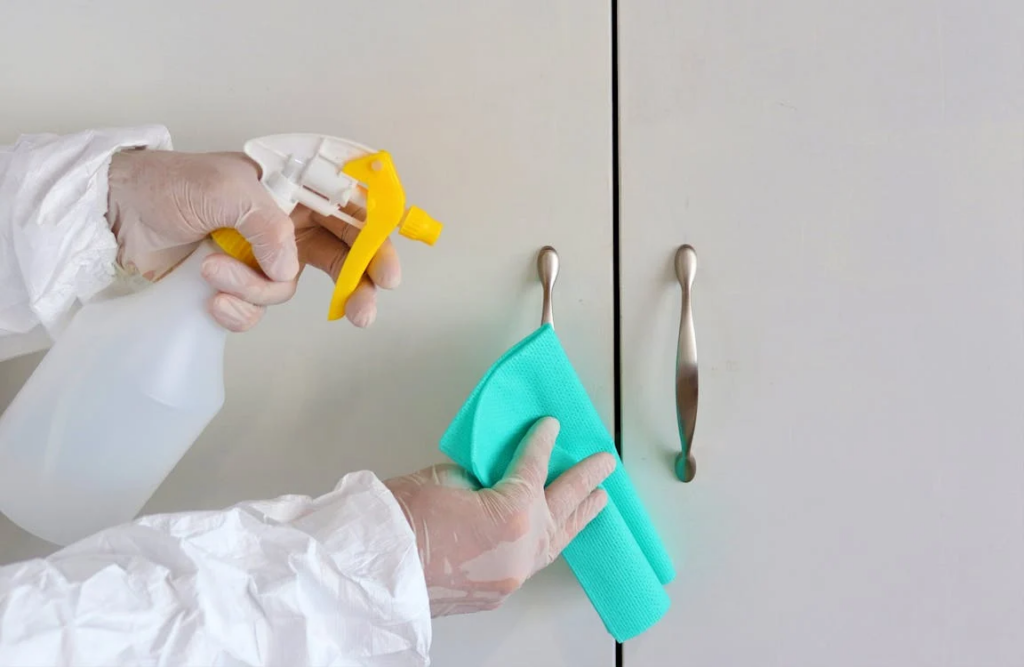
Water is a precious resource, and minimizing water usage during cleaning is one of the easiest ways to promote sustainability. Whether you’re cleaning floors, windows, or kitchens, reducing the amount of water used can have a lasting environmental impact.
How to Reduce Water Usage:
- Use Water-Efficient Equipment: Invest in cleaning equipment that minimizes water usage, such as low-flow mop systems or water-efficient floor scrubbers. These systems are designed to use less water per cleaning session. This not only conserves water but also reduces the need for frequent refills and waste disposal
- Fix Leaks Promptly:Ensure that plumbing systems are in good working order. Leaky faucets or pipes can waste gallons of water, and contribute to unnecessary environmental damage.
- Clean Strategically: Encourage staff to focus on high-priority areas and avoid over-spraying water on surfaces that do not require heavy cleaning. By targeting only the areas that need attention, businesses can reduce unnecessary water consumption. Using the appropriate amount of water for each task further minimizes waste.
5. Recycle and Dispose of Waste Properly
Proper waste management is important for a sustainable cleaning routine. Recycling and disposing of waste in an environmentally responsible manner can reduce your overall environmental impact. It’s important to be conscious of how waste is handled at every stage of the cleaning process.
Waste Management Steps:
- Sort Recyclable Materials:Set up designated recycling stations for paper, plastic, and glass. Encourage staff to sort waste correctly to ensure recyclables are not sent to landfills.
- Use Recycled Materials:When purchasing cleaning supplies or equipment, opt for products made from recycled materials. This includes cleaning cloths, mop heads, and even cleaning solutions in recycled packaging.
- Compost Organic Waste:If your business produces organic waste, such as food scraps in the kitchen, consider composting. Composting reduces landfill waste and creates nutrient-rich soil for gardening.
6. Energy Efficiency in Cleaning Equipment

Energy-efficient cleaning equipment can significantly reduce your business’s energy consumption and carbon footprint. By investing in products that are designed to use less power, you can keep your cleaning routine environmentally friendly without sacrificing effectiveness.
How to Make Cleaning More Energy Efficient:
- Invest in Energy-Efficient Appliances: When purchasing new cleaning equipment, look for Energy Star-rated products. These are designed to consume less energy while still delivering high performance. Energy-efficient appliances help reduce overall energy costs and lower your business’s carbon footprint.
- Use Cordless Equipment:Battery-operated cleaning tools, such as vacuums and floor scrubbers, eliminate the need for electricity during operation. They are also more versatile for daily use. Cordless devices are often lighter and easier to maneuver, making them ideal for quick, energy-saving cleaning sessions in various areas of your business.
- Maintain Equipment Regularly:Proper maintenance of cleaning equipment ensures it works efficiently, reducing the risk of wasted energy due to malfunctioning machines. Regular servicing, such as cleaning filters, checking for clogs, and lubricating moving parts, can extend the life of your equipment and keep it performing at optimal energy-saving levels.
7. Support Eco-Friendly Supply Chains
Supporting businesses that prioritize sustainability is a key aspect of developing your own sustainable cleaning practices. By sourcing supplies from companies that share your commitment to sustainability, you can help further reduce your overall environmental impact.
How to Support Sustainable Supply Chains:
- Partner with Sustainable Suppliers:Choose cleaning product vendors that align with your sustainability goals. Look for companies that prioritize eco-friendly manufacturing processes and responsible sourcing. These suppliers often use renewable resources, minimize waste, and ensure that their products meet environmentally responsible standards.
- Promote Transparency: Encourage suppliers to provide transparency about their environmental practices. Knowing where your products come from and how they’re made can help ensure they meet sustainability standards. Transparency also allows businesses to track and verify the environmental impact of their products. This helps ensure that they are truly contributing to a greener supply chain.
- Evaluate Vendors Regularly:Periodically review the sustainability practices of your suppliers to ensure they continue to meet your business’s green standards. Regular evaluations help identify areas where suppliers may need to improve or align with evolving sustainability goals.
8. Set Sustainable Cleaning Goals and Track Progress

Setting clear, measurable goals is an important step in making your cleaning routine more sustainable. Without goals, it can be difficult to gauge your progress and identify areas for improvement.
How to Set and Track Sustainable Cleaning Goals:
- Set Specific, Measurable Targets:For example, you might set a goal to reduce water usage by 20% or switch to 100% eco-friendly products within the next year. Setting clear and quantifiable goals ensures that you can track your progress and make informed decisions about future sustainability efforts.
- Track Your Progress: Regularly review your progress toward your sustainability goals. Use data and metrics to assess how much waste has been reduced, how much energy is being saved, and how much water is being conserved. Tracking key performance indicators(KPIs) allows you to identify areas of improvement and celebrate successes along the way.
- Adjust Goals as Needed: Sustainability is an ongoing process. As you meet one goal, set new ones to continue improving and pushing toward a more sustainable future. Reevaluate your targets annually to ensure they remain relevant, ambitious, and aligned with your business’s evolving sustainability priorities.
- Involve Your Team:Engage your cleaning staff in setting and tracking sustainability goals. Involving the team in these efforts fosters a sense of ownership and responsibility, encouraging them to contribute actively toward meeting the targets. Regular feedback sessions and team meetings can keep everyone aligned and motivated.
Crystal Clear Enterprise, Inc. – Leading the Charge for Sustainable Cleaning Practices
At Crystal Clear Enterprise, Inc., we understand the importance of maintaining a clean, healthy environment while reducing our ecological footprint. Whether you’re seeking office carpet cleaning, tile and hard surface cleaning, or building maintenance services in Kansas City, we provide high-quality, eco-friendly solutions tailored to your needs.
We specialize in commercial cleaning company services in Kansas City, and more, ensuring that your business stays committed to sustainability. Contact Crystal Clear Enterprise, Inc. today to learn more about how we can help you set sustainable cleaning goals and achieve them in 2025 and beyond.