
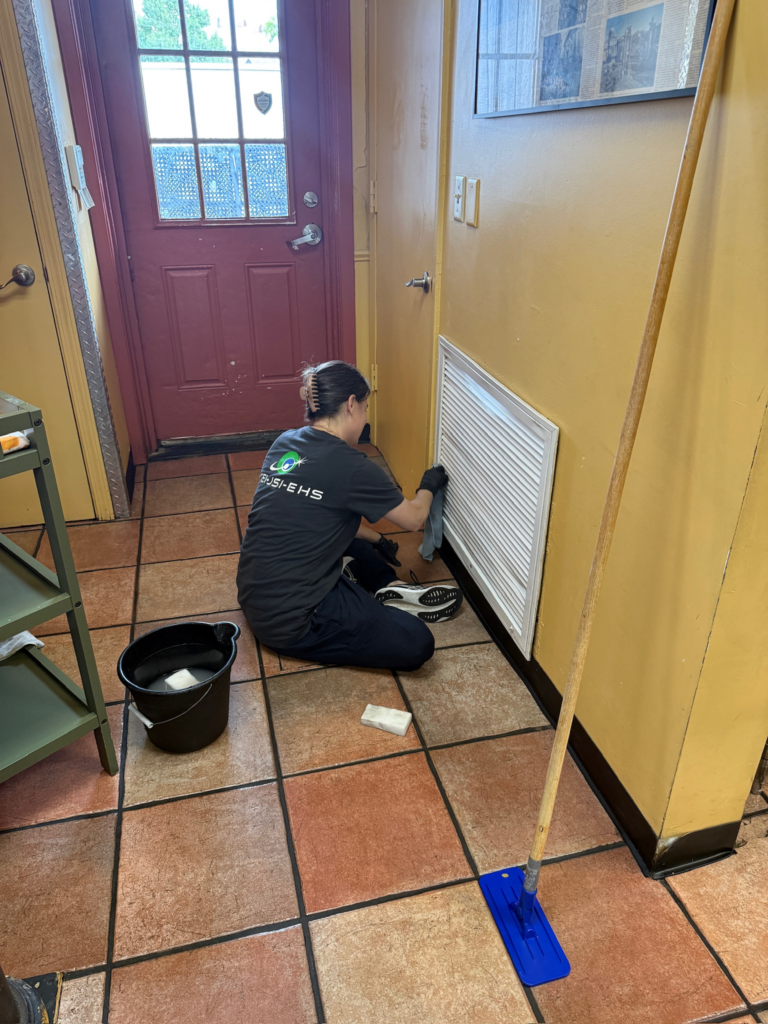
Before commercial cleaning begins, a building walkthrough should answer important questions about the property. Building maintenance services in Lawrence can be planned more effectively when managers understand square footage, room usage, floor materials, traffic, restrooms, operating hours, and existing conditions from the start.
Assess the Building Size
Square footage provides a basic picture of the workload, but it does not tell the whole story. A 20,000-square-foot office with limited daily activity may require a different schedule than a smaller facility with constant visitors, deliveries, shared spaces, and frequent movement.
Identify Floor Types
Floor materials should be recorded during the walkthrough. Carpet, vinyl, tile, concrete, and other surfaces can require different cleaning methods. The walkthrough should note where each material appears and whether it shows wear, staining, moisture, or surface damage. This information helps determine service methods and frequency.
Review Traffic Patterns
Traffic patterns reveal where daily cleaning pressure is highest. Entrances, corridors, elevators, reception areas, break rooms, and shared workspaces often collect more dirt than private offices. Managers should note busy routes, peak periods, and areas where employees or visitors gather, helping teams focus attention where it is needed most.
Check Restrooms
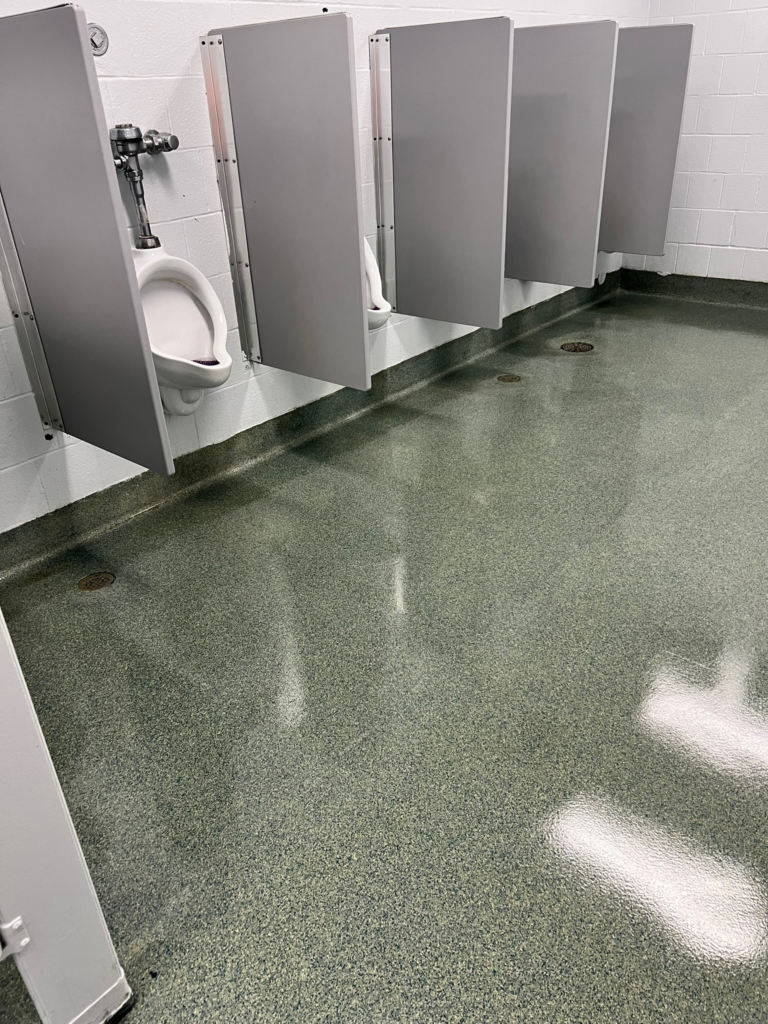
Restrooms deserve specific attention because usage can change throughout the day. The walkthrough should identify restroom count, fixture numbers, touchpoints, supply stations, ventilation, flooring, and current condition. High-use restrooms may need more frequent cleaning, restocking, and inspections than facilities with limited occupancy.
Consider Operating Hours
Operating hours affect when cleaning can happen and how often service may be needed. A building open early and late can require cleaning outside peak activity, while a standard office may allow evening service. The walkthrough should record access restrictions, occupied periods, security procedures, and available service windows.
Note Existing Conditions
Existing building conditions should never be overlooked. Water damage, worn flooring, stained carpet, dust accumulation, damaged fixtures, poor ventilation, or construction debris may require attention before routine cleaning begins. Identifying these conditions helps set realistic expectations and prevents issues from being missed.
Include Special Areas
A walkthrough should also account for kitchens, storage rooms, loading zones, conference rooms, and high-touch surfaces. Each space can have different soil levels and service demands. Listing these areas before work starts gives cleaning teams a clear scope and helps managers avoid omissions.
Build the Service Plan
The final step is turning observations into a practical service plan. Managers and cleaning teams should agree on priorities, frequencies, staffing needs, equipment, supplies, and service timing.
With commercial cleaning services, janitorial services, and office carpet cleaners in Lawrence, facilities can address surfaces, schedules, and usage levels with greater consistency. Contact Crystal Clear Enterprise today to create a cleaning plan based on your building’s actual needs.